One of the first questions homeowners ask is how long it takes to dry a house after a flood. The honest answer is that it depends on how much water entered, what it touched and how quickly drying began. A small clean water leak might dry in three days. A house inundated by floodwater can take weeks before rebuilding starts.
Here are realistic timeframes and the seven factors that determine how long it takes to dry a house after a flood.
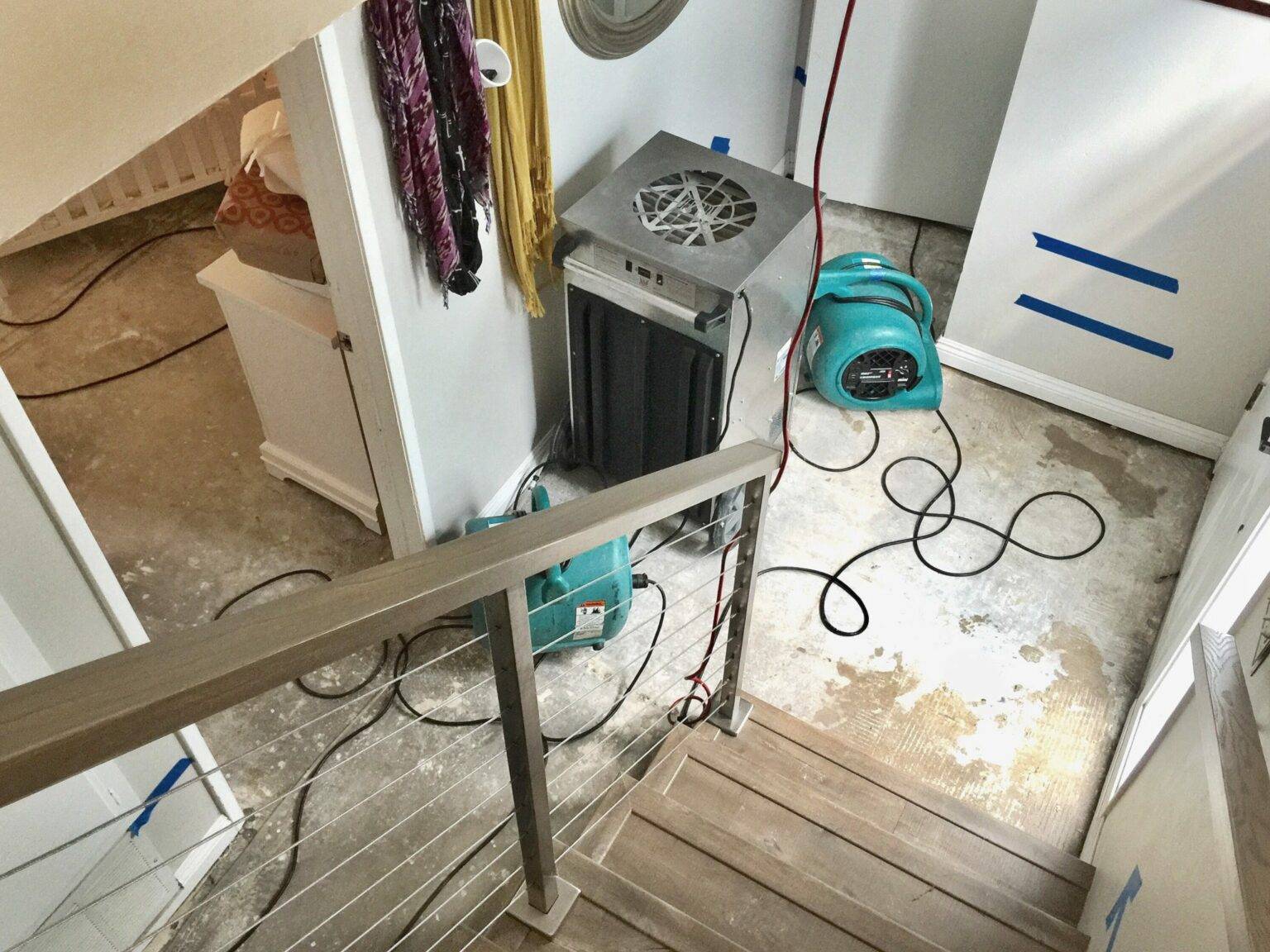
Table of Contents
Typical Drying Timeframes
- Carpet and underlay (clean water): 2 to 4 days
- Plasterboard walls: 3 to 5 days if dried in place
- Timber framing: 4 to 7 days
- Hardwood floors: 1 to 3 weeks
- Concrete slabs: 1 to 4 weeks or more
- Subfloors under high-set homes: 4 to 10 days
These are guides only. Drying is measured with moisture meters, not by the calendar.
Factor 1: Water Category
Floodwater from outside is Category 3. Contaminated carpet, underlay and saturated plasterboard are removed rather than dried, which can actually make structural drying faster. See water damage categories.
Factor 2: How Long Water Sat
The longer water sits, the deeper it soaks into timber and concrete. Fast water extraction is the best way to shorten drying.
Factor 3: Building Materials
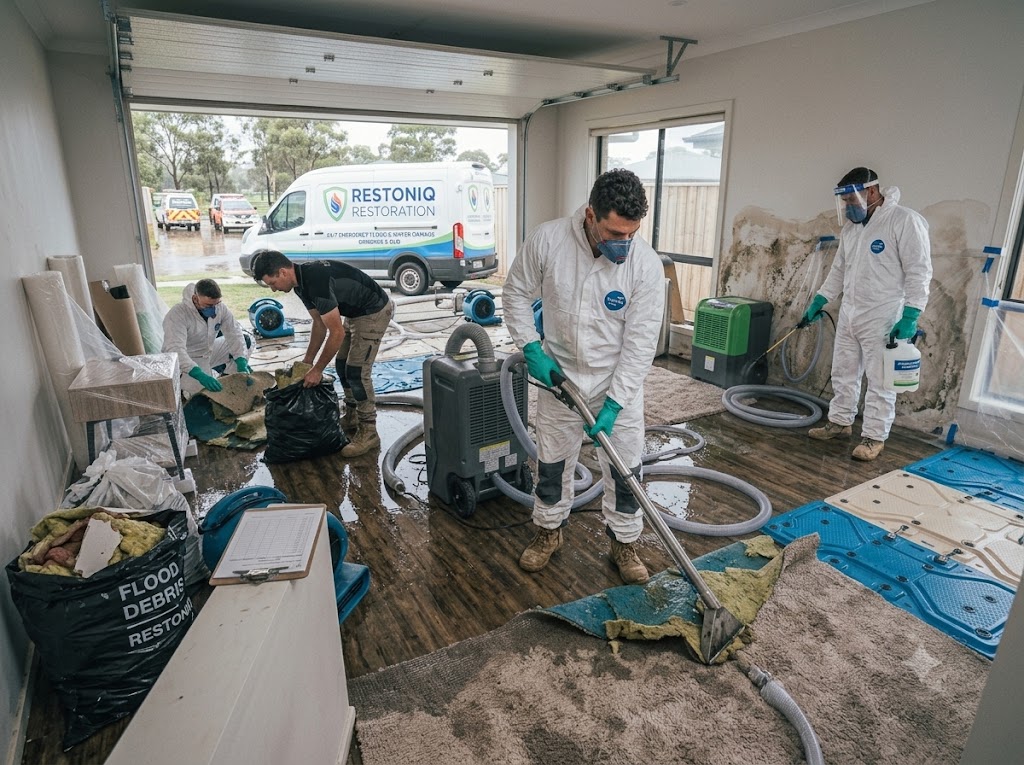
Hardwood, concrete, brick and plaster hold moisture deeply and dry slowly. These are Class 4 drying situations that need specialist equipment.
Water damage happening right now? Restoniq’s 24/7 emergency team covers Brisbane, Logan, Ipswich, Moreton Bay, Redlands and the Gold Coast. Call 042 022 3980 or request an urgent callback.
Factor 4: Equipment Used
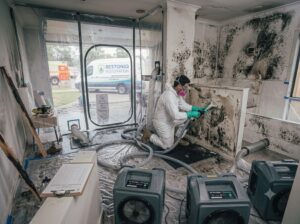
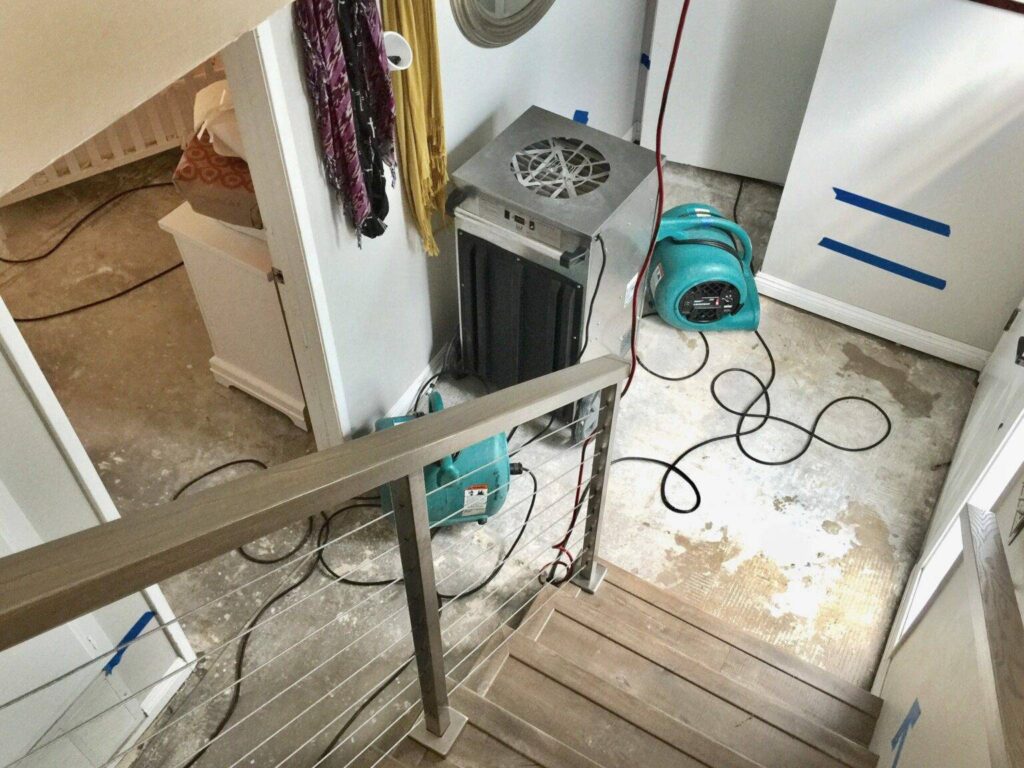
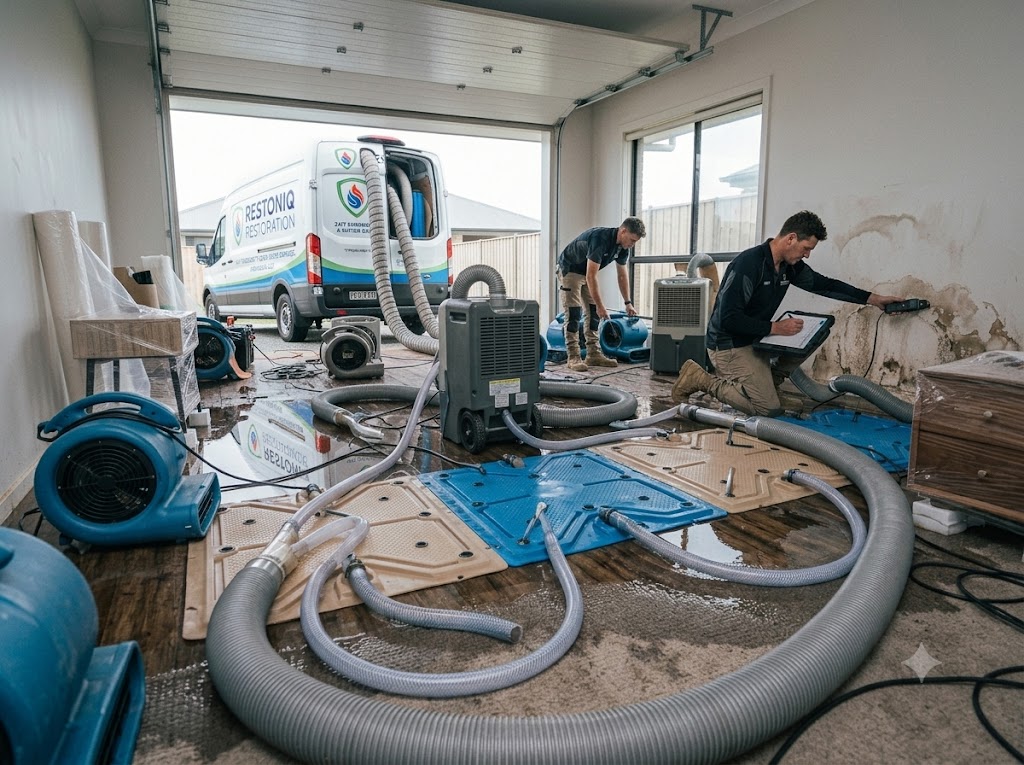
Commercial dehumidifiers and air movers dry a house after a flood far faster than open windows or domestic fans. Learn about structural drying.
Factor 5: Weather and Humidity
Brisbane’s humid summers slow natural drying. Dehumidifiers create controlled conditions regardless of the weather.
Factor 6: Removal of Wet Materials
Removing wet insulation, skirting and lower plasterboard opens cavities so they dry faster. Our flood clean-up team does this safely.
Factor 7: Monitoring
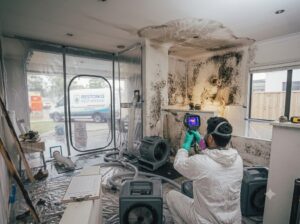
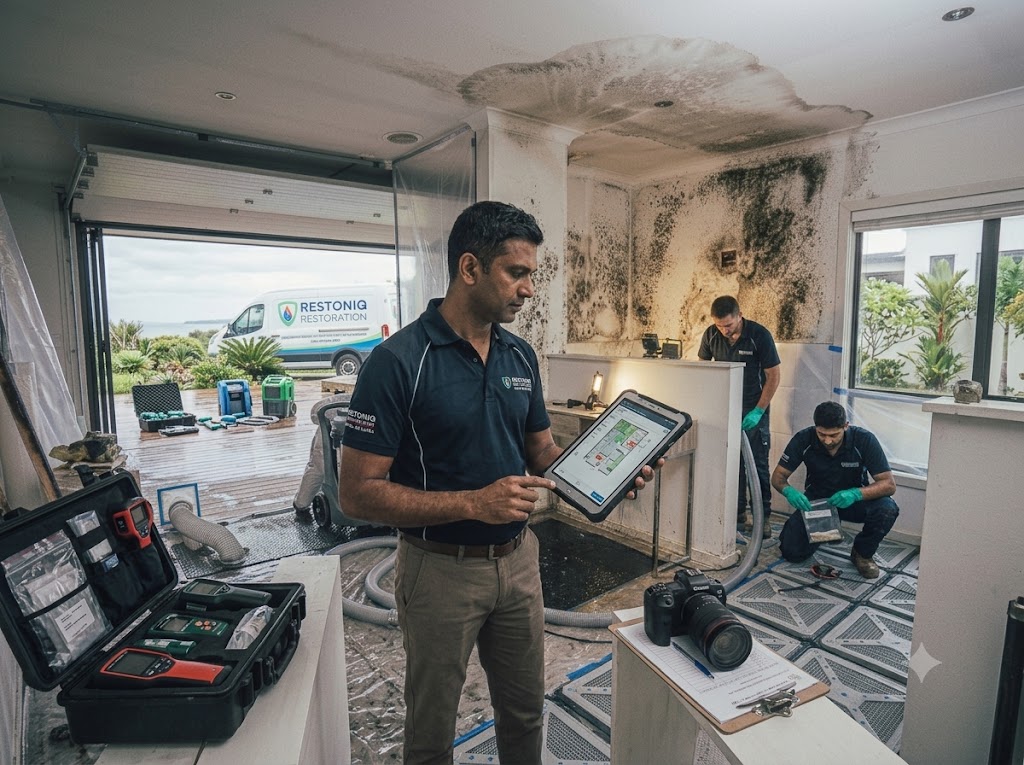
Daily moisture readings allow equipment to be moved and adjusted. Without monitoring, drying can stall. Read about moisture mapping.
Why You Should Not Rebuild Too Early
Rebuilding before framing and slabs are dry traps moisture, leading to mould, swelling, failed flooring adhesives and paint problems. The Queensland Government’s emergency and disaster information also stresses cleaning and drying properly after floods. See mould after flood.
Frequently Asked Questions
How long does it take to dry a house after a flood?
Most houses take one to three weeks to dry after flooding, depending on materials, water category and equipment.
Can I speed up drying with heaters?
Heaters alone can raise humidity and spread odours. Dehumidifiers and air movers are more effective.
When can I move back in after a flood?
When the home is safe, clean and the electrical system has been checked. Some families stay during drying if the water was clean.
How do I know when my house is dry?
A technician compares moisture readings with unaffected areas. When readings match, the structure is dry.
Get 24/7 Emergency Help From Restoniq
Restoniq helps Brisbane and Gold Coast families dry a house after a flood properly, with monitored drying and clear reports. Call us 24/7, or learn about our water damage restoration Brisbane service and read what to do immediately after a flood.
Need an emergency restoration team? Restoniq’s 24/7 emergency team covers Brisbane, Logan, Ipswich, Moreton Bay, Redlands and the Gold Coast. Call 042 022 3980 or request an urgent callback.